Indoor allergens such as dust mites and pet dander are common triggers for allergic rhinitis and asthma, yet many homeowners only address them reactively. A consistent, long‑term prevention plan reduces exposure and can lessen symptom frequency without relying on quick fixes.
This guide outlines evidence‑based environmental controls, practical cleaning habits, and product choices that together create a lower‑allergen home. It also highlights when professional testing or remediation is the safer choice.
- Keep indoor humidity 30‑50 % to suppress dust‑mite growth.
- Use allergen‑impermeable covers on all bedding.
- Choose low‑pile or hard flooring and vacuum with a HEPA filter.
- Run a MERV 13+ or HEPA air cleaner continuously in key rooms.
- Adopt a weekly damp‑dust and hot‑water laundry habit; schedule deeper cleaning twice a year.
Identify the Primary Allergen Reservoirs
Dust mites thrive in warm, humid environments and concentrate in mattresses, pillows, upholstered furniture, and carpeting. Pet dander, composed of microscopic skin flakes and saliva proteins, settles on surfaces and remains airborne for hours after a pet moves through a room.
Research on environmental controls shows that targeting these reservoirs — especially bedding and soft furnishings — yields measurable reductions in allergen levels [1]. Start by walking each room and noting where fabric, carpet, or pet‑accessible areas are most prevalent.
Maintain Indoor Humidity Below 50 %
Dust mites cannot survive when relative humidity stays consistently below 50 %. Use a hygrometer to monitor bedroom and living‑area humidity, and run a dehumidifier or air conditioner during humid months.
Studies of environmental interventions report that sustained humidity control, combined with other measures, contributes to lower dust‑mite allergen concentrations [1]. Aim for 30‑50 % RH; avoid over‑drying, which can irritate airways.
Encase Bedding and Choose Low‑Pile Flooring
Allergen‑impermeable covers for mattresses, box springs, and pillows create a physical barrier that prevents mite colonization and limits dander accumulation. Look for covers labeled allergen-proof with a pore size ≤ 10 µm and a zippered closure.

Replacing wall‑to‑wall carpet with low‑pile rugs or hard flooring (hardwood, laminate, tile) reduces the surface area where allergens settle. If carpet remains, vacuum weekly with a HEPA‑rated vacuum and consider professional hot‑water extraction annually.
Upgrade Air Filtration and Ventilation
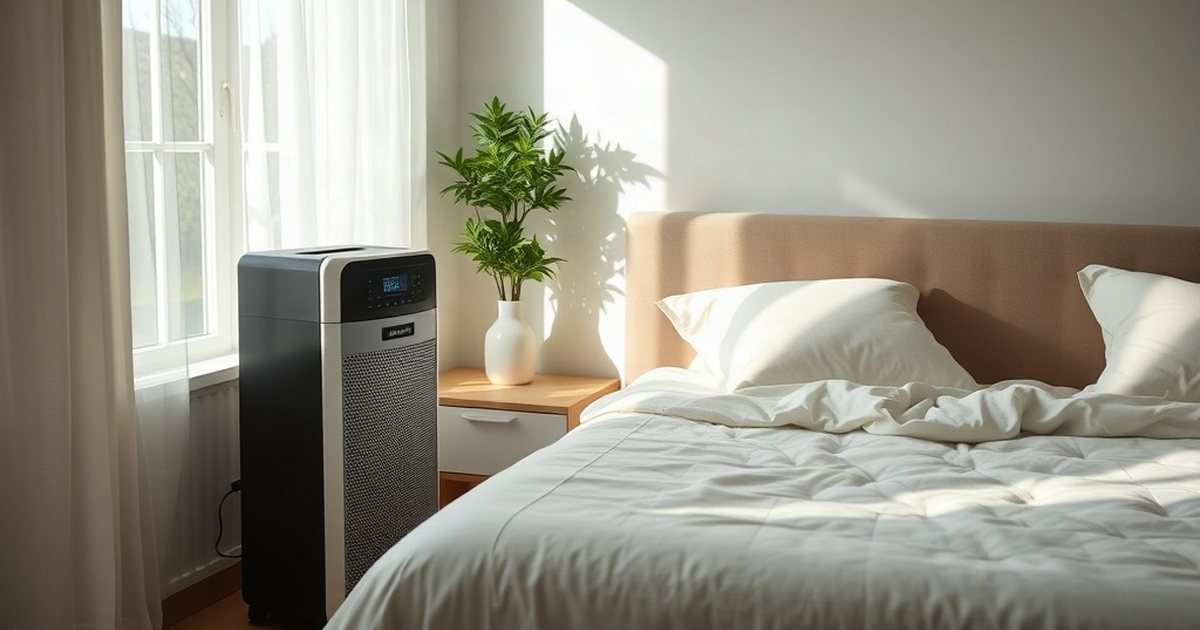
A central HVAC system fitted with a MERV 13 or higher filter, or a portable HEPA air cleaner sized for the room’s square footage, can capture airborne pet dander and mite particles. Run the cleaner continuously in bedrooms and main living areas.
Environmental control research notes that high‑efficiency filtration, when paired with source control, reduces airborne allergen loads [1]. Replace filters per manufacturer schedule — typically every 3‑6 months — and keep interior doors closed during high‑pollen seasons to limit outdoor allergen entry.
Build a Sustainable Cleaning Routine
Weekly damp‑dust hard surfaces with a microfiber cloth to trap particles rather than disperse them. Wash bedding in hot water (≥ 130 °F / 54 °C) weekly, and dry on high heat to kill mites.
Vacuum upholstered furniture, curtains, and pet beds using a HEPA vacuum; empty the canister outdoors to avoid re‑release. For pet owners, brush pets outdoors and wipe them with a damp cloth before they re‑enter the home.

Schedule a deeper cleaning — steam cleaning carpets, washing removable cushion covers, and cleaning HVAC registers — every 6‑12 months. Consistency matters more than intensity; a modest routine maintained year‑round outperforms occasional deep cleans.
FAQ
How quickly will I notice symptom improvement after starting these steps?
Improvement varies; some people see reduced nasal congestion within weeks, while others need months of consistent control. Environmental control studies show gradual allergen reduction over time [1].
Do I need to replace all carpet to reduce allergens?
Full replacement gives the greatest reduction, but regular HEPA vacuuming and annual hot‑water extraction can keep carpet allergen levels manageable if removal isn’t feasible.
Can air purifiers alone control pet dander?
Air cleaners capture airborne dander but do not remove dander settled on surfaces. Combine filtration with source control — grooming, pet‑free zones, and frequent cleaning — for best results [1].
When should I hire a professional indoor‑air specialist?
If symptoms persist despite thorough source control, if you suspect hidden mold, or if you need quantitative allergen testing for a medical evaluation, a licensed professional can perform sampling and recommend targeted remediation.
This article provides general home‑maintenance guidance and is not medical advice. For persistent or severe allergy symptoms, consult a healthcare provider; for hidden contamination or large‑scale remediation, hire a licensed indoor‑air quality professional.
References
- Environmental controls of allergies. Otolaryngologic clinics of North America, 2008
These statements have not been evaluated by the Food and Drug Administration. This information is not intended to diagnose, treat, cure, or prevent any disease. Content is for informational purposes only and is not medical advice; consult a qualified healthcare provider before starting any supplement. As an Amazon Associate we earn from qualifying purchases.
