Seasonal shifts in temperature, humidity, and household activity create predictable patterns for indoor allergens such as dust mites and pet dander [1]. When windows stay closed in winter, moisture can build up, giving mites a favorable environment. In spring, pollen enters the home and can combine with existing allergens, while summer heat often raises indoor humidity unless ventilation is managed. Understanding these cycles helps homeowners target the right tasks at the right time, reducing the overall allergen load without relying on guesswork.
This checklist breaks the year into four seasonal modules plus a set of year‑round habits. Each module lists specific actions — cleaning, humidity control, filter changes, and pet‑area management — that address the most common sources of dust mite and dander exposure. The goal is to provide a practical, repeatable routine that fits into normal home maintenance schedules. No single step eliminates allergens completely, but consistent effort across seasons can lower concentrations to levels that are easier to manage.
- Follow a seasonal cleaning and humidity‑control schedule to keep dust mite and pet dander levels low.
- Use HEPA‑rated vacuums and filters, and maintain indoor relative humidity between 30 and 50 percent.
- Replace HVAC filters monthly during high‑use seasons and schedule professional duct inspections annually.
- Seek professional indoor‑air‑quality testing if symptoms continue despite consistent home maintenance.
Spring: Deep Cleaning and Moisture Control
Spring is the traditional time for a thorough house cleaning because warmer weather makes it easier to open windows and dry damp areas. Start by vacuuming all carpeted surfaces with a vacuum equipped with a high‑efficiency particulate air (HEPA) filter, which traps fine particles that standard vacuums release back into the air. Follow with damp‑mopping hard floors using a microfiber mop and a mild, fragrance‑free cleaner to avoid adding chemical irritants.
Next, address moisture sources that encourage dust mite growth. Inspect bathrooms, basements, and laundry rooms for leaks, condensation, or standing water. Run exhaust fans during and after showers, and consider a portable dehumidifier set to maintain indoor relative humidity between 30 and 50 percent. Empty and clean dehumidifier tanks regularly to prevent mold growth, which can worsen allergy symptoms.
Finally, wash all bedding, curtains, and removable upholstery covers in hot water (at least 130 °F) to kill dust mites. If hot‑water washing is not possible for certain fabrics, use a dryer on the highest heat setting for at least 30 minutes. Encase mattresses and pillows in zippered, allergen‑impermeable covers that are labeled as dust‑mite proof. These covers create a barrier that limits mite colonization while still allowing the bedding to be laundered regularly.
Summer: Ventilation and Pet Management
Summer heat often leads to closed windows and reliance on air conditioning, which can trap allergens indoors if the system is not properly maintained. Check the HVAC filter each month and replace it with a pleated filter rated MERV 11 or higher when it appears dirty. A clean filter improves airflow and captures a larger fraction of airborne dander and mite particles.


Increase controlled ventilation by using exhaust fans in kitchens and bathrooms, and by opening windows during cooler early‑morning or evening hours when outdoor pollen counts are lower. If the home has a whole‑house ventilation system, verify that the intake and exhaust ducts are clean and unobstructed. Balanced ventilation reduces indoor humidity spikes that favor mite reproduction.
Pet dander tends to accumulate in areas where animals spend the most time. Designate pet‑free zones, especially bedrooms, and use washable pet beds that can be laundered weekly. Brush pets outdoors when possible to remove loose hair and dander before it enters the living space. Vacuum pet‑frequented furniture and floors with a HEPA vacuum at least twice a week during high‑shedding seasons.
Fall: Filter Maintenance and Bedding Care
As temperatures drop, heating systems start running more often, circulating air through ducts that may have collected dust over the summer. Before the first heavy use, have the ductwork inspected for visible debris and consider a professional cleaning if there is substantial buildup. Replace the furnace filter with a high‑efficiency model and set a reminder to check it monthly throughout the heating season.
Fall is also a good time to rotate and deep‑clean bedding. Strip beds, vacuum mattress surfaces with a HEPA vacuum, and launder all linens in hot water. If you use a mattress protector, verify that it remains intact and free of tears; replace it if the barrier is compromised. Regular rotation of mattress and pillow positions helps distribute wear and reduces localized allergen reservoirs.
Check window and door seals for gaps that allow outdoor allergens and moisture to infiltrate. Apply weatherstripping or caulk where needed, and ensure that storm windows close tightly. Reducing drafts helps maintain stable indoor humidity, which in turn limits dust mite proliferation during the cooler, often damp months [2].
Winter: Humidity Management and Heating System Checks
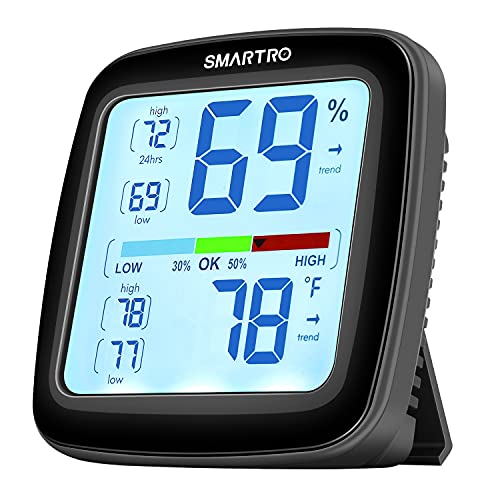
Winter heating can drive indoor humidity down to levels that irritate airways, while humidifiers used to add moisture can inadvertently create mite‑friendly conditions if set too high. Aim for a consistent relative humidity of 30 to 45 percent, measured with a calibrated hygrometer placed in a central living area. Adjust humidifier output daily based on the reading rather than relying on a fixed setting.
Inspect the heating system’s heat exchanger and blower compartment for dust accumulation. A professional HVAC technician can perform a combustion safety check and clean internal components, which improves efficiency and reduces the amount of particulate matter circulated through the home. Schedule this service before the peak heating period to avoid emergency calls.

Continue the pet‑management routine: keep pets out of bedrooms, wash pet bedding weekly, and vacuum with a HEPA filter at least once a week. Consider using a portable air purifier with a true HEPA filter in the main living area to capture airborne dander that settles during the night. Remember that air purifiers complement, not replace, source control measures [3].
Year‑Round Habits: Monitoring and Professional Help
Maintain a simple log of humidity readings, filter change dates, and cleaning tasks. A spreadsheet or paper checklist posted near the thermostat makes it easy to see patterns and catch missed steps. Consistent documentation also helps when discussing indoor air quality with a professional, because you can provide concrete data rather than vague impressions.
If allergy symptoms persist despite diligent seasonal routines, consider a professional indoor‑air‑quality assessment. Certified inspectors can measure allergen concentrations, identify hidden moisture problems, and recommend targeted remediation such as localized dehumidification or duct sealing. Professional testing is especially valuable when there is a history of water damage, mold growth, or when occupants have severe respiratory conditions.
Finally, educate all household members about the checklist and assign age‑appropriate tasks. Children can help with dusting low surfaces using a damp cloth, while adults handle filter changes and humidity adjustments. Shared responsibility ensures the routine stays sustainable over the long term, turning allergen reduction into a normal part of home care rather than a one‑time project.

FAQ
How often should I wash bedding to reduce dust mites?
Wash sheets, pillowcases, and blankets in hot water at least once a week. If hot water is not an option, dry items on the highest heat setting for 30 minutes to achieve a similar effect.
Can a portable air purifier replace regular cleaning?
An air purifier with a true HEPA filter can capture airborne particles, but it does not remove allergens that have settled on surfaces. Regular vacuuming, damp dusting, and source control remain essential [4].
What humidity level is best for limiting dust mites?
Maintain indoor relative humidity between 30 and 50 percent, ideally around 40 percent. Use a hygrometer to monitor levels and adjust humidifiers or dehumidifiers accordingly.
When should I call a professional for indoor allergen issues?
Contact a certified indoor‑air‑quality specialist if you notice persistent symptoms, visible mold, recurring water leaks, or if allergen levels remain high after several months of consistent seasonal maintenance.
This checklist provides general guidance for reducing common indoor allergens; it is not a substitute for medical advice or professional remediation. If you suspect significant mold growth, structural water damage, or experience severe respiratory symptoms, consult a licensed indoor‑air‑quality professional or healthcare provider promptly.

References
- Dust Mites and Cockroaches. National Institute of Environmental Health Sciences
- Biological Contaminants and Indoor Air Quality. U.S. Environmental Protection Agency
- Guide to Air Cleaners in the Home. U.S. Environmental Protection Agency
- Improving Indoor Air Quality. U.S. Environmental Protection Agency
These statements have not been evaluated by the Food and Drug Administration. This information is not intended to diagnose, treat, cure, or prevent any disease. Content is for informational purposes only and is not medical advice; consult a qualified healthcare provider before starting any supplement. As an Amazon Associate we earn from qualifying purchases.
