Indoor allergen risk relates more to specific construction and furnishing choices than a simple age-based pattern.
- Flooring type (carpet vs. hard surface) matters more than construction age for dust mite populations.
- Newer HVAC systems may offer better filtration, though this varies by specific system choice.
- Furnishing and bedding choices are more directly actionable than the home’s underlying construction age.
- Neither newer nor older homes have an inherent allergen advantage based on age alone.
Flooring Type Matters More Than Age
Carpet (common in both older and some newer homes) provides more surface area for dust mite populations than hard flooring, making flooring type a more relevant factor than construction date specifically.
HVAC Filtration Differences
Newer homes may have more advanced HVAC filtration standard, potentially reducing airborne allergen circulation compared to older systems, though this varies significantly by specific builder and system choice rather than being a universal new-construction advantage.

Why Furnishing Choices Matter More Than Structure
Bedding materials, upholstery type, and cleaning practices affect allergen levels more directly than the home’s underlying age or construction, making these the more actionable factors regardless of which home you live in.
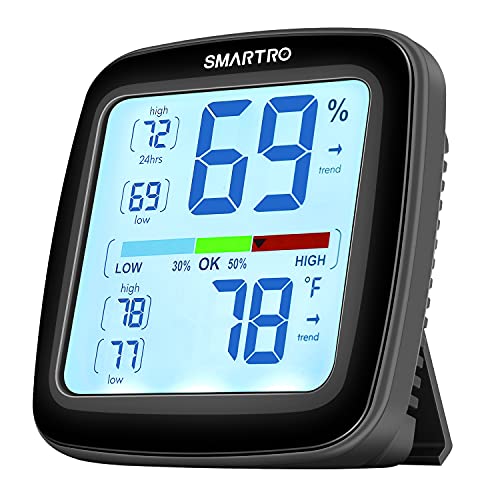
Tightness and Ventilation Behave Differently by Era
Newer homes are generally built to be more airtight than older ones, which changes how indoor air behaves rather than simply making it better or worse. A tighter envelope means less uncontrolled exchange with outside air, so whatever is generated indoors depends more on deliberate ventilation and filtration to be diluted or removed. That is exactly why the mechanical ventilation question carries more weight in a newer home than it did in a drafty one.
Older homes tend to exchange more air without anyone asking them to, which dilutes indoor sources but also offers less control and brings its own running costs. Their ductwork and equipment are also older, and duct condition is worth asking about separately from filter rating, since a well rated filter in a poorly sealed system is doing less than the rating suggests.
Neither pattern is an advantage on its own. The practical reading is that a tighter home rewards attention to ventilation and filtration, while a leakier one rewards attention to source control and to the condition of the system already installed.
What to Actually Look At in Either Case
In a home of any age, the questions that matter are the ones you can answer by looking: what is on the bedroom floor, how the system is filtered and when that was last changed, whether there is any history of moisture, and how the space is ventilated while it is occupied.
Construction date is a weak proxy for all of these, because it predicts what was typical in an era rather than what is true of the building in front of you. Renovations, system replacements and how previous occupants lived in the home all break the pattern, which is why the age question keeps resolving back into an inspection question.
FAQ
Do newer homes have fewer allergen problems than older ones?
Not inherently based on age alone — flooring type, HVAC filtration choice, and furnishing/bedding practices matter more than construction date specifically.
Does a tighter, newer home mean better indoor air?
Not automatically. A tighter envelope reduces uncontrolled air exchange, which makes deliberate ventilation and filtration more important rather than less.
Should I ask about ductwork as well as the filter?
In an older system, yes. A filter rating describes the filter, not the condition of the ducts around it, and those are separate questions for whoever services the system.
Focus on the actionable factors (flooring, bedding, filtration) rather than assuming home age predicts allergen risk.
These statements have not been evaluated by the Food and Drug Administration. This information is not intended to diagnose, treat, cure, or prevent any disease. Content is for informational purposes only and is not medical advice; consult a qualified healthcare provider before starting any supplement. As an Amazon Associate we earn from qualifying purchases.
