Many homeowners wonder whether the time and money spent on identifying and reducing indoor allergens such as dust mites and pet dander actually pay off in healthier air and fewer symptoms. The answer depends on the severity of exposure, the size of the home, and how much you are willing to invest in both DIY steps and professional services.
This guide walks through typical costs for testing, common reduction measures, and the situations where a licensed professional adds value. It does not promise that any single product or action will eliminate allergens, but it gives a realistic framework for deciding what makes sense for your budget and health goals.
- DIY identification kits and humidity meters give a low‑cost baseline but cannot map whole‑house allergen distribution.
- Encasings, hot‑water laundering, HEPA vacuuming, and humidity control are the most cost‑effective DIY reductions.
- Professional IAQ testing is justified when symptoms persist, during real‑estate transactions, or for medically documented allergies.
- A simple annual budget for filter replacements and periodic deep cleaning sustains long‑term allergen control.
What Drives Indoor Allergen Levels
Dust mites thrive in warm, humid environments and feed on shed skin cells that accumulate in bedding, upholstery, and carpet [1]. Pet dander consists of microscopic skin flakes and proteins from saliva that cling to fabrics and become airborne when disturbed [2]. Both allergens can settle in hard‑to‑reach places such as ductwork, behind baseboards, and inside mattress cores.
The concentration of these particles varies widely from home to home. Factors include climate, ventilation, cleaning frequency, pet ownership, and the age of furnishings. Because allergen levels are not visible, many people underestimate exposure until symptoms appear.
Understanding the sources helps you target the most cost‑effective interventions. For example, reducing humidity below 50 % can suppress dust‑mite growth across the entire house, while targeted pet‑dander control may focus on sleeping areas and high‑traffic zones.
DIY Identification: Low‑Cost Tools and What They Reveal
A basic home allergen test kit typically costs $30–$80 and uses a dust‑collection cassette or a surface swab that you send to a lab. Results report allergen concentrations in micrograms per gram of dust, giving a snapshot of the rooms you sampled. These kits are useful for confirming whether a problem exists, but they do not map the full distribution throughout the home.
Handheld particle counters ($100–$250) can measure airborne particulate matter in real time, though they cannot differentiate dust‑mite allergens from other fine particles. They are helpful for checking the immediate effect of a cleaning session or an air‑purifier run.
Visual inspection and a humidity meter ($10–$30) are the cheapest first steps. Look for visible dust buildup, pet hair on furniture, and condensation on windows. A sustained indoor relative humidity above 55 % strongly suggests conditions favorable to dust mites.

DIY Reduction Strategies and Typical Expenses
Encasing mattresses, box springs, and pillows in zippered, allergen‑impermeable covers costs $30–$80 per bed. Choose covers labeled “dust‑mite proof” with a pore size ≤ 10 µm and a certification such as Asthma & Allergy Friendly (AAFA). These covers block new allergen accumulation and trap existing particles.
Washing bedding weekly in water at least 130 °F (54 °C) kills dust mites. If your water heater cannot reach that temperature, a laundry additive containing benzyl benzoate or a high‑efficiency dryer cycle can help. The incremental cost is mainly the extra hot‑water usage.
High‑efficiency particulate air (HEPA) vacuum cleaners range from $150 to $600. Look for a sealed system, a true HEPA filter (≥ 99.97 % at 0.3 µm), and a motorized brush roll that can be turned off for hard floors. Regular vacuuming of carpets, upholstery, and pet‑frequented areas reduces surface allergen load.
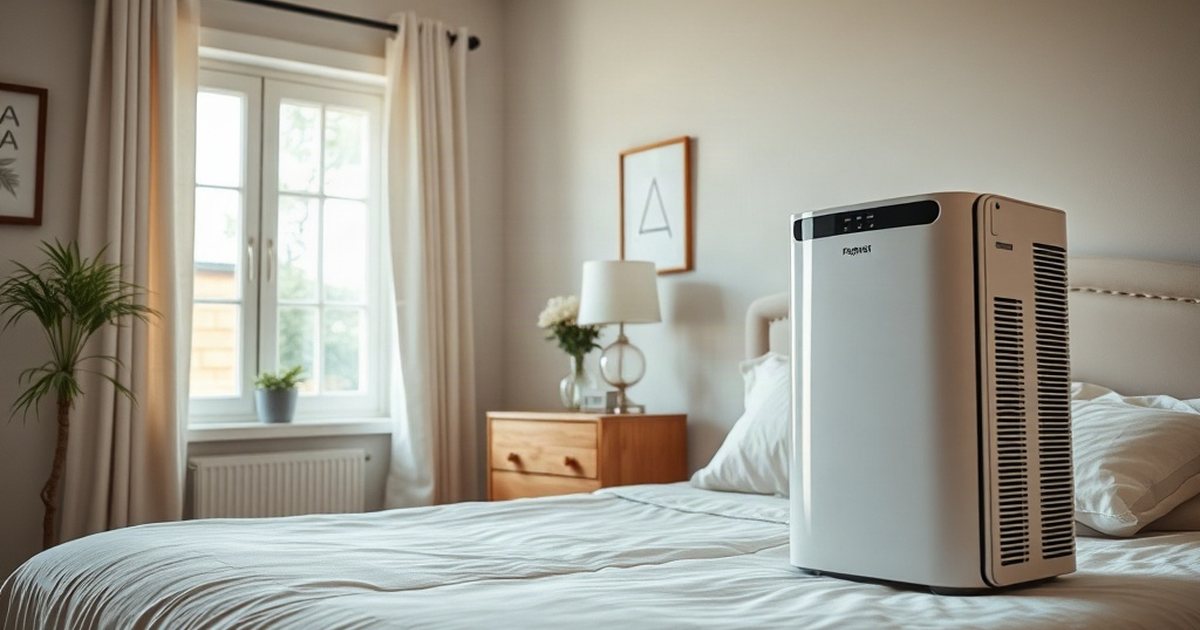
Portable HEPA air purifiers sized for the room (CADR rating matching the square footage) cost $100–$400 each. They capture airborne dander and mite fragments but do not remove allergens already settled in fabrics. Running them continuously in bedrooms and living areas yields the best benefit.
Dehumidifiers capable of maintaining 30–50 % relative humidity in a 1,000‑sq‑ft space cost $150–$350. Models with built‑in hygrostats and automatic shut‑off reduce the need for manual monitoring. Lower humidity also discourages mold, adding another health advantage.
When Professional Testing or Remediation Adds Value
Professional indoor‑air‑quality (IAQ) assessments typically start at $300–$600 for a single‑family home and include multiple room sampling, laboratory analysis, and a written report with interpretation. This is worthwhile when symptoms persist despite thorough DIY efforts, when buying or selling a home, or when a household member has a diagnosed allergy or asthma that requires documented exposure levels.
Specialized remediation — such as duct cleaning, carpet removal, or whole‑house HEPA filtration installation — can cost $1,000–$5,000 depending on scope. Contractors should provide a clear scope of work, use containment barriers, and verify post‑remediation allergen levels with follow‑up testing.
If you suspect hidden reservoirs (e.g., behind walls, in crawl spaces) or have a history of water damage, a licensed mold‑and‑allergen specialist can perform invasive sampling that DIY kits cannot. The added expense is justified when health risk or property value is at stake.

Budgeting for Long‑Term Allergen Control
Create a simple spreadsheet listing each intervention, its upfront cost, recurring expense (filter replacements, electricity, laundry), and expected lifespan. For example, a HEPA vacuum filter may need replacement every 6–12 months at $30–$50, while a mattress cover lasts 5–10 years.
Prioritize measures that address the largest allergen reservoirs first: bedroom bedding, carpet in high‑traffic areas, and humidity control. These often deliver the greatest symptom reduction per dollar spent.
Re‑evaluate annually. Seasonal changes, new pets, or renovations can shift allergen dynamics. A modest yearly budget of $200–$500 for filter changes, occasional professional cleaning, and humidity‑monitoring supplies keeps the environment stable without large surprise expenses.
FAQ
How often should I replace HEPA filters in vacuums and air purifiers?
Most manufacturers recommend replacing vacuum HEPA filters every 6–12 months and air‑purifier filters every 12–18 months, but check the pressure‑drop indicator or airflow reduction as a practical cue.
Can I rely solely on a dehumidifier to control dust mites?
A dehumidifier that keeps indoor humidity consistently below 50 % greatly suppresses dust‑mite growth, but it does not remove allergens already present in bedding or carpet. Combine it with encasings and regular cleaning for best results.
Is professional duct cleaning necessary for allergen reduction?
Duct cleaning can reduce circulating dander and mite fragments if the ductwork is heavily contaminated, but studies show mixed benefit. Consider it only after confirming high allergen levels in the HVAC system via professional testing.
This article provides general cost‑benefit guidance and does not constitute medical advice. If household members experience persistent respiratory symptoms, consult a qualified healthcare provider and consider a licensed indoor‑air‑quality professional for comprehensive testing and remediation.
References
- Dust Mites and Cockroaches. National Institute of Environmental Health Sciences
- Pet Allergens. National Institute of Environmental Health Sciences
These statements have not been evaluated by the Food and Drug Administration. This information is not intended to diagnose, treat, cure, or prevent any disease. Content is for informational purposes only and is not medical advice; consult a qualified healthcare provider before starting any supplement. As an Amazon Associate we earn from qualifying purchases.
